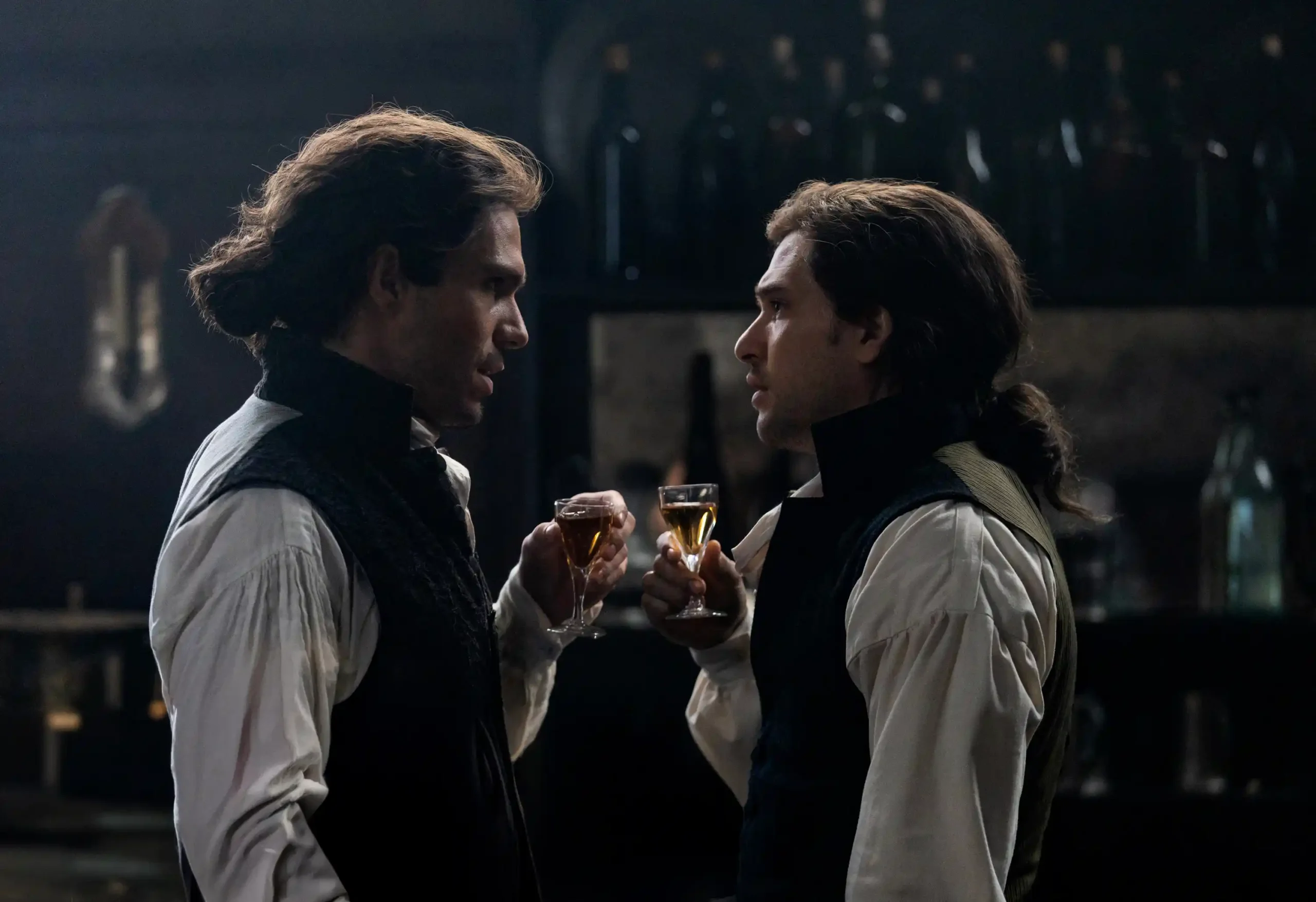
A Tale of Two Cities on MGM+ leans harder into its central love triangle than any previous adaptation of Charles Dickens’ novel, and stars Kit Harington and Mirren Mack say that shift was deliberate. Speaking with BLKCinema.com in an exclusive interview, both actors explained why reworking the story around Lucie Manette (Mack), Sydney Carton (Harington) and Charles Darnay (François Civil) felt essential to making the classic land in 2026.
Why does this version lean into the love triangle?
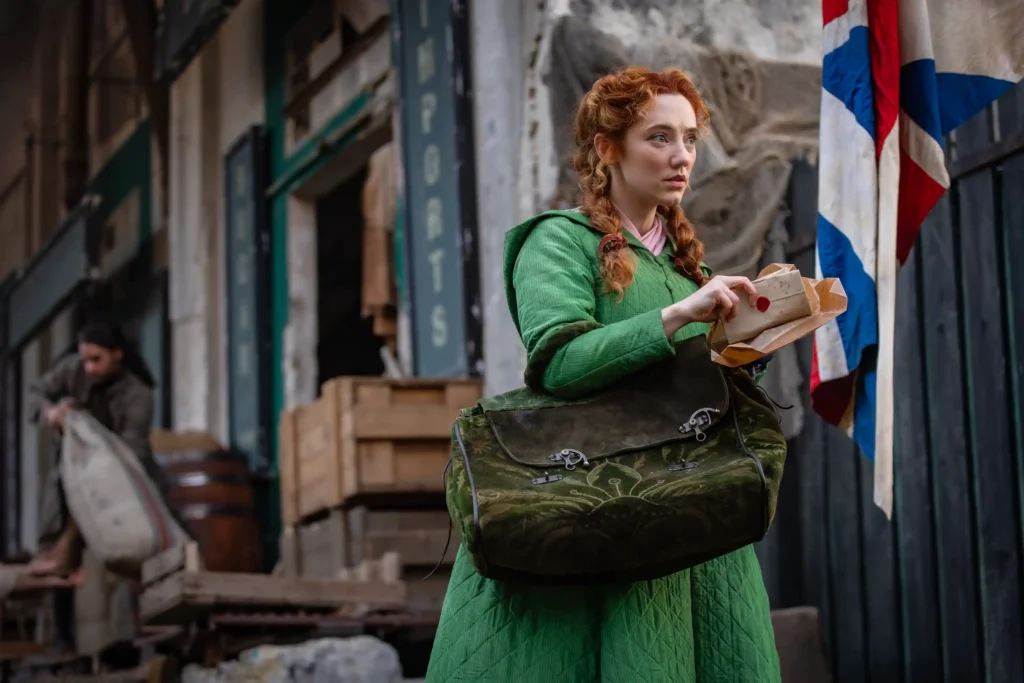
Mack said the adaptation gave the show room to sit inside conflicting emotions rather than resolve them quickly. “It’s very modern to feel — we don’t have to minimize the emotions within that love triangle,” Mack said. “I want to say full fat, total love for these two people, and finding yourself going, how do I make the decision between these two paths for my life.” She said the dynamic felt personal to her. “I think it is possible to love two people at the same time and really have to battle with those two parts of you, these two dreams of the life you could live.”
Harington agreed, saying the love triangle had to carry the entire series. “When we were adapting this, we knew that for this to work, that love triangle had to work,” Harington said. “That was the thing that was gonna carry everyone through to the emotional gut punch at the end.” He said budget limitations around depicting the French Revolution pushed the writers toward the relationship instead. “The thing that really matters is this core love story at its heart, and to do that we had to adapt around the novel a bit…make it less about Sydney, more about the three of them.” Harington credited writer Daniel West with finding a distinctly modern angle in that structure. “There’s something brilliantly modern about this anti-monogamy type thing going on, that she can love two men, and they can both love her, and they can all deal with it in their own way,” Harington said. “It doesn’t feel like the classic man-meets-woman story.”
How did Harington and West develop the adaptation?
Harington, who also serves as an executive producer on the series, said the project took roughly seven or eight years to reach the screen after he and West first discussed it. “It’s a book that we always loved when we were growing up,” Harington said. He said the project stalled at points before Federation committed to it. “We were just having a general conversation and we said, well, we’ve always wanted to do Tale of Two Cities, and they jumped at it.” Harington said the four-episode structure ended up being the right fit for the material. “It never felt right being five and it never felt right being three. It feels like a four-hour thing,” Harington said. “I feel like we’ve made it in the right form, and I’m proud of that.”
What does each man bring out in Lucie?
Asked what Darnay and Carton each draw out of Lucie, Mack said the character is pulled toward two different versions of the life she could have. She initially framed the choice as Lucie gravitating toward whichever man lets her stay closest to herself, then revised that read mid-answer. “She’s there alive,” Mack said, pointing instead to the isolation of Lucie’s earlier life. “Suddenly she’s being met with brilliant minds discussing stuff, being taken to such extraordinary places, and chasing the life that she wants — to be back with her father, to have a house full with chaos and magic.” Mack said that pull toward a fuller life is ultimately what shapes her decision.
A Tale of Two Cities is now streaming on MGM+.
Leave a Reply